Introduction
Smart home technology has moved from novelty to genuinely useful, offering convenience, energy savings, and security benefits that justify the investment for many households. Yet getting started can feel intimidating given the range of ecosystems, device types, and compatibility considerations involved. This guide walks through choosing an ecosystem, the most valuable starter devices, compatibility considerations, privacy and security basics, and how to expand your smart home gradually without overwhelming yourself or your budget. The goal is helping you build a smart home setup that genuinely improves daily life rather than adding complexity for its own sake.
Successful smart home adoption starts small with devices that solve real daily frustrations, then expands gradually as you learn what actually adds value to your specific household.
Choosing Your Smart Home Ecosystem
Most smart home devices work within one of a few major ecosystems—Amazon Alexa, Google Home, or Apple HomeKit—each with its own voice assistant, app, and device compatibility considerations. If you already use an iPhone, Apple HomeKit integrates seamlessly with your existing devices. Android users often find Google Home integrates more naturally with their phone. Amazon Alexa works well across platforms and has the widest third-party device compatibility of the major ecosystems.
Matter, a newer industry standard, aims to make devices work across ecosystems regardless of brand, reducing the historical lock-in problem where choosing one ecosystem limited your device options. Look for Matter compatibility on new device purchases going forward, as it future-proofs your smart home investment against ecosystem-specific limitations that plagued early smart home adopters.
Smart Speakers: The Foundation of Most Setups
A smart speaker or display serves as the voice control hub for most smart home setups, letting you control other devices hands-free. Entry-level smart speakers cost relatively little and provide genuine daily utility beyond smart home control—weather, timers, music, and quick information lookups all become more convenient with voice access. Smart displays add a screen for visual information, video calling, and camera feed viewing, worth the extra cost if you’ll use these features regularly.
Placement matters for smart speakers—kitchens and living rooms see the most daily use for timers, music, and quick questions. Bedroom placement works well if you’ll use voice control for alarms, sleep sounds, or bedside convenience without reaching for your phone.
Smart Lighting: High Impact, Easy Start
Smart lighting is often the best starting point for smart home newcomers, delivering immediately noticeable convenience and requiring minimal technical setup. Smart bulbs screw into existing fixtures, requiring no electrical work, and offer scheduling, remote control, and often color-changing capability. Smart switches, requiring basic electrical installation, control existing standard bulbs and work well when you don’t want to replace every bulb individually throughout your home.
Scheduling lights to turn on before you arrive home, or gradually brightening as a gentle wake-up alternative to a jarring alarm, are genuinely useful features many new smart home owners don’t initially consider. Motion-activated smart lighting in hallways, closets, or bathrooms adds convenience without requiring you to remember to manually control anything.
Smart Thermostats: Genuine Energy Savings
Smart thermostats learn your schedule and preferences over time, automatically adjusting temperature to save energy when you’re away or asleep without requiring manual programming. Many models pay for themselves within one to two years through reduced energy costs, making them one of the smart home purchases with the clearest financial return alongside the convenience benefit.
Beyond automatic scheduling, remote control through your phone lets you adjust temperature before arriving home or check on your house while traveling. Energy usage reports, available on most smart thermostats, provide genuine insight into your heating and cooling patterns that can inform further efficiency improvements beyond the thermostat itself.
Smart Plugs: The Cheapest Entry Point
Smart plugs are among the most affordable smart home devices, converting any existing appliance or lamp into a smart, schedulable, remotely controllable device without replacing the appliance itself. This makes them ideal for beginners wanting to test smart home convenience before investing in more expensive dedicated smart devices throughout their home.
Common uses include scheduling lamps for a lived-in appearance while traveling, remotely turning off forgotten appliances, and adding voice control to devices that otherwise have no smart capability whatsoever. Because they’re inexpensive and require zero installation beyond plugging in, smart plugs offer an excellent low-risk way to experience smart home convenience firsthand.
Security Devices: Cameras and Doorbells
Smart doorbells and security cameras provide genuine peace of mind, letting you see who’s at your door or monitor your property remotely from anywhere with an internet connection. Battery-powered options simplify installation significantly compared to wired alternatives, though they require periodic recharging that wired versions don’t need.
Consider storage and subscription costs carefully before buying, since many security cameras require a paid subscription for video history access beyond basic live viewing and motion alerts. Compare total ownership cost, not just the device purchase price, when evaluating security camera options—the ongoing subscription often costs more than the camera itself over a few years of use.
Privacy and Security Considerations
Smart home devices connect to the internet and often to cloud services, raising legitimate privacy considerations worth understanding before adopting extensively. Review each device’s privacy policy for what data it collects and how it’s used, particularly for always-listening devices like smart speakers and always-recording devices like security cameras.
Use strong, unique passwords for your smart home accounts, and enable two-factor authentication where available, since a compromised smart home account can expose camera feeds, door locks, and other sensitive access points to unauthorized users. Regularly update device firmware, since manufacturers patch security vulnerabilities discovered after release, and outdated devices are more vulnerable to exploitation.
Expanding Your Setup Gradually
Rather than buying an entire smart home system at once, start with one or two devices addressing genuine daily frustrations, live with them for a few weeks, and expand based on what actually proves valuable in practice. This approach prevents overspending on devices that sound appealing in theory but don’t fit your actual household habits and routines.
Automations and Routines: Getting More Value Over Time
Beyond controlling individual devices, most smart home ecosystems let you build automations and routines that trigger multiple actions based on time, location, or sensor input. A morning routine might simultaneously adjust your thermostat, turn on kitchen lights, and read your calendar aloud, all triggered by a single voice command or your phone leaving a defined home location boundary automatically.
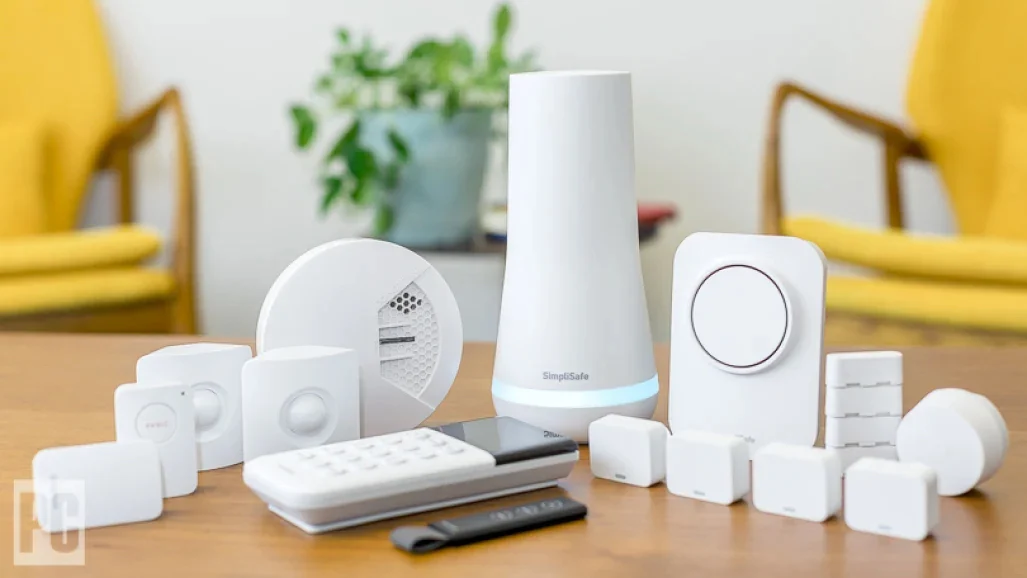
Sensor-based automations add genuine convenience without any manual triggering at all. Motion sensors can trigger lights automatically in rarely-used spaces like closets or garages. Door and window sensors can trigger notifications or automatically adjust thermostat behavior when a window is left open. These small automations, once configured, quietly improve daily convenience without requiring ongoing attention or manual control after the initial setup.
Take time exploring your ecosystem’s automation builder rather than only using devices individually through manual app or voice control. Most users significantly underuse the automation capabilities already available in their existing smart home apps, missing out on convenience they’ve effectively already paid for through their device purchases. Start with one or two simple automations addressing genuine daily routines, then expand as you identify additional opportunities.
Family and household member access deserves consideration as your smart home grows. Most ecosystems support multiple user accounts with shared control, letting every household member control devices through their own phone rather than funneling every request through one person’s app. Set this up early, since retrofitting proper multi-user access after a household has grown frustrated with a single bottlenecked control point is more disruptive than establishing it correctly from the start.
Conclusion
Building a smart home starts with choosing a compatible ecosystem, then adding devices that solve genuine daily frustrations rather than accumulating gadgets for their own sake. Smart lighting, thermostats, and plugs offer accessible, high-value starting points for most households. Prioritize privacy and security alongside convenience, keeping devices updated and accounts properly secured. A thoughtfully built smart home, expanded gradually based on real experience, delivers lasting convenience rather than becoming an expensive, underused collection of gadgets.
FAQs
1. Do I need a smart speaker to use smart home devices?
No, most devices work through smartphone apps alone. A smart speaker adds convenient voice control but isn’t required for basic smart home functionality.
2. Will smart home devices work if my internet goes down?
Many basic functions (physical switches, local schedules on some devices) continue working, but remote control, voice commands, and cloud-dependent features typically stop until connectivity returns.
3. Are smart home devices difficult to set up?
Most modern devices use simple app-guided setup taking just a few minutes. Devices requiring electrical wiring (smart switches) need more care or professional installation if you’re not comfortable with basic electrical work.
4. Can smart home devices be hacked?
Like any internet-connected device, they carry some risk. Strong passwords, two-factor authentication, and keeping firmware updated significantly reduce this risk to a manageable level for most households.
5. Is Matter compatibility important when buying new devices?
Increasingly yes. Matter reduces ecosystem lock-in, letting devices work across Alexa, Google, and Apple platforms. Prioritizing Matter-compatible devices future-proofs your smart home investment.